


When PR stunts go wrong: three lessons to learn from Nike’s recent parkrun fail
Over the past few weeks, global sports-wear giant Nike has faced significant backlash for a “tone-deaf” PR stunt that ambushed recent parkrun events in London. The campaign has been accused of shaming participants who walk, instead of run – with slogans like “You didn’t come all this way for a walk in the park” and “Runners only” displayed on red signs and billboards.
The stunt in itself was a great idea – the problem was the context wasn’t appropriate. The ads were criticised as elitist and for mocking the inclusive, community-based ethos of parkrun, that has actively welcomed all paces and abilities since its first run back in 2004.
The campaign follows a similar advertisement blunder from Nike earlier on in the month, where adverts featuring “Runners welcome, walkers tolerated” were seen plastered around Boston, Massachusetts, in the lead up to its marathon.
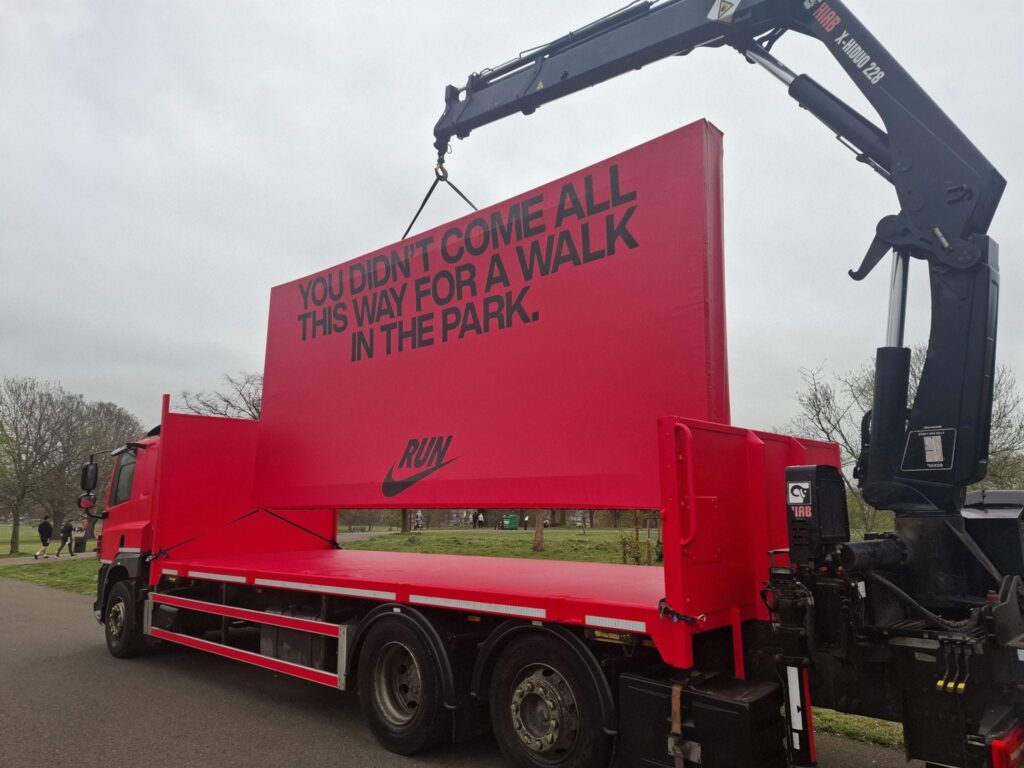
Image from London Centric
Publicity stunts are strategic tools that can set your organisation apart in a crowded market. A well-executed PR stunt can help a business to cut through the noise, capture media attention and create lasting impressions. A misjudged stunt, however, will do the opposite. A poorly thought-out stunt can cause major harm to an organisation’s reputation and damage consumer trust.
At High-Rise, we deliver PR with purpose. Our PR support targets the right media at the right time, helping organisations to achieve their strategic objectives and business goals.
Read on to discover the three lessons that Nike’s recent mishap teaches about the importance of perfecting PR stunts, and our expert advice on avoiding a PR stunt being the cause of a reputational crisis.
1. Know your audience
Identifying your target audience is essential to a successful PR stunt. Organisations need to understand the behaviours of their audience and what kind of messages will motivate them to listen or engage. At High-Rise, we understand the value of PR support that meets your audience where they are – ensuring communications feel meaningful, relevant and memorable.
Much like Nike, parkrun is now a giant in its field, typically amassing over 240,000 attendees in UK-based runs every weekend. However, what’s the key to parkrun’s success? Its community. There are currently 1,406 parkrun events taking place each weekend, with more locations constantly being added. Participants have the opportunity to meet other members of their own community and allows them to collectively share a goal; their ethos ‘Free, For Everyone, Forever’ signifies this inclusivity. It makes running accessible, and their events are about togetherness and connection just as much as they are about the sport itself. When asked about Nike’s advertisements, parkrun stated that Nike did not inform them beforehand, and were just as shocked as the attendees.
So, it’s no wonder parkrun and its participants felt “ambushed” by Nike’s guerrilla stunt. In failing to understand parkrun’s audience and the motivations behind why they attend, Nike came across as insensitive with misaligned messaging. After all, over-commercialising any community-first event is often a recipe for backlash – it’s the reason why events such as Glastonbury are so careful about the advertisers they allow at the festival.
2. Stay true to your values
At High-Rise, we know that a successful PR stunt must be connected to your organisation’s identity and values. The word ‘stunt’ insinuates it should be an outlandish display to catch the eyes of the public – but this isn’t necessarily the case. As is the same with any other form of communications, assessing what fits best with your audience and what they’ll resonate with comes first. Stunts and the messaging used must line up with your core values so that consumers can leave with a true understanding of what your brand is all about and don’t feel misled.
According to Nike’s website, their mission is: To bring inspiration and innovation to every athlete* in the world. *If you have a body, you are an athlete.
So, Nike’s values inspire inclusivity and diversity in sport. However, their messaging used in their parkrun stunt was in stark contrast to these core principles. Instead of championing all bodies, messaging called-out and shamed those not running. By doing the very opposite of their mission, Nike appears dishonest and leaves their audience questioning the authenticity of the brand’s values altogether.
3. Fail to prepare, prepare to fail
And finally, perhaps the most valuable step to crafting an impactful PR stunt is the need to manage risk. Even the most creative campaigns can face backlash, legal challenges or get misinterpreted if you don’t plan wisely.
Nike suffered the consequences of inadequate research, and in doing so they also failed to fully analyse the risk involved. A successful PR strategy involves a comprehensive evaluation of potential legal, reputational and financial dangers before, during and after the campaign’s execution. Organisations should always evaluate the impact vs risk when it comes to a stunt, assessing what aspects could cause any harm or offence to the public and preparing for various scenarios. Thoughtful planning protects your brand reputation and makes your campaign more resilient.
How High-Rise can help
As Nike has shown, no matter what sector your organisation is in, communications can – and sometimes will – go wrong. That is as true for international brands as it is for privately-owned and managed companies. With a team that includes former journalists, at High-Rise we know what the media are looking for and the pitfalls to avoid. We are trusted for our strategy and campaign planning, honest counsel and crisis communication advice when it matters most.
Head to our Services page to find out more about our support – including award-winning public relations and media support and trusted communications and reputation management.
If you’re looking to work with a PR agency to get impactful results for your organisation – say hello here.